Dulwich Wood edge garden clearance service guide for SE19
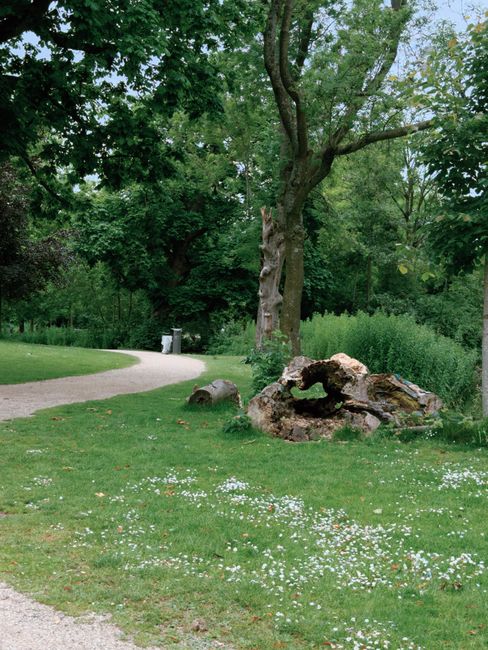
If your garden edge in Dulwich Wood has started to look a bit wild - brambles creeping out, ivy holding on for dear life, borders buried under leaves, maybe a fence line you can barely see - you are not alone. The Dulwich Wood edge garden clearance service guide for SE19 is here to make sense of what happens next, what a proper clearance should include, and how to judge the difference between a quick tidy-up and a genuinely useful reset. In a local garden, especially around mature trees, shaded corners, and narrow access routes, clearance is rarely just "cut it back and sweep up." It is more like giving the space a fresh start.
This guide walks through the process in plain English: what edge clearance involves, why it matters, how to plan it, what to avoid, and when to bring in help. You will also find a comparison table, a practical checklist, and a few grounded tips that reflect real-life garden conditions rather than wishful thinking. Let's face it, a tidy edge changes the whole feel of a place.
Why Dulwich Wood edge garden clearance service guide for SE19 matters
Garden edges do more work than people give them credit for. They frame the whole plot, hold back unruly growth, and often define the boundary between a well-kept outdoor space and one that feels neglected. In SE19, where gardens can be shaded, sloped, or affected by overhanging trees, edge clearance becomes especially useful because growth tends to build up quietly and then all at once. One week it is a few weeds and a line of leaves; a month later, the edge is a small jungle. Bit dramatic, but true.
A good clearance service does more than remove surface clutter. It helps reveal what is actually there: damaged fencing, compacted soil, hidden litter, self-seeded saplings, old roots, and plants competing for light. That matters if you want to restore order without accidentally harming healthy shrubs or boundary planting. If your end goal is a safer, more usable garden, edge work often creates the first visible win.
There is also a longer-term benefit. Once an edge is clear, you can see where to improve drainage, where to mulch, where to install a new border, or where to add low-maintenance planting. For many homeowners, this first pass becomes the turning point that makes the rest of the garden feel manageable again. If you are also thinking about wider upkeep, a planned visit from a garden maintenance team can make the whole space easier to live with, not just nicer to look at.
How Dulwich Wood edge garden clearance service guide for SE19 works
Edge garden clearance usually begins with a walk-through. That sounds simple, but it is the point where a decent job starts. The aim is to identify what needs removing, what needs protecting, and what can stay. In a typical SE19 garden, a professional will look at the boundary line, path edges, bed perimeters, fence bases, overgrowth around sheds or seating areas, and any places where ivy, brambles, or nettles have taken hold.
From there, the work is usually broken into stages. First comes cutting and thinning, then lifting debris, then sorting green waste from reusable materials, and finally a tidy finish. In some cases, clearance also includes light pruning, weed removal, removal of dead plant matter, or careful stripping back of invasive growth. If hedges are part of the edge, you may find it helpful to look at hedge trimming in Gipsy Hill as part of the wider care plan.
One point worth stressing: edge clearance is not the same as full landscaping, and it is not just "garden waste removal" either. It sits somewhere in between. The job should leave the garden safer, clearer, and ready for follow-up work. That might mean a future planting scheme, fresh edging, or simple ongoing maintenance. If the border structure is failing altogether, then a broader landscaping approach may be the better next step.
In practical terms, a solid service will usually include:
- removal of visible overgrowth along edges and borders
- clearing leaves, twigs, and accumulated debris
- careful weed and bramble reduction
- light shaping where boundary plants are encroaching
- cleanup of pathways, fence lines, and narrow access edges
- responsible disposal or collection of green waste where agreed
Key benefits and practical advantages
There is a reason people keep coming back to edge clearance even after a decent tidy-up. It has practical value that goes beyond appearances.
1. Better access. Narrow paths, side returns, and border strips can become awkward quickly. Clearing them means you can actually use the space without brushing past prickly growth or stepping on hidden debris.
2. Reduced pest and rot pressure. Dense, damp edges can harbour slugs, fallen fruit, mouldy material, and rot. Clearing them improves airflow. Not glamorous, but very effective.
3. Easier garden planning. Once the clutter is gone, you can see the shape of the garden properly. That makes it easier to decide whether you need new planting, edging, turf repair, or a stronger boundary solution.
4. A tidier visual finish. Borders and edges are what the eye reads first. If they are crisp, the whole garden looks intentional, even if the rest of the space is still a work in progress.
5. Lower long-term effort. It is much easier to maintain a garden that has been cleared properly than one that is always being rescued from the brink. This is why many households pair clearance with ongoing help from gardening services.
Expert summary: edge clearance is one of those jobs that pays you back twice - first in immediate visual relief, then in easier maintenance over the weeks that follow. If the garden has been ignored for a season or two, the difference can be startling by the time the last bag is loaded. Really startling.
Who this is for and when it makes sense
This kind of service is useful for a wide range of SE19 properties. Not just large gardens, either. Smaller patios with overgrown perimeter beds, narrow townhouse plots, and side access areas can all benefit.
You may need edge clearance if:
- the garden feels hard to walk through or use
- weeds, ivy, or brambles are pushing over the boundary
- you are preparing to sell or rent the property
- you want to reset the garden before planting season
- the fence line or wall base is hidden by growth
- you are dealing with seasonal leaf fall and debris build-up
- the borders have become too dense for normal maintenance
It also makes sense after storms or a long wet spell, when everything has a habit of flopping over and sticking together. SE19 gardens can hold moisture in shaded places, so what looked manageable in early summer can become heavy and tangled by autumn. If winter damage is part of the picture, you may also want to think about winter protection for garden plants so the same issue does not keep coming back.
Some homeowners assume they need to wait until the entire garden is out of control before calling for help. You do not. In fact, smaller interventions often cost less effort and cause less disruption. That is the boring answer, but the correct one.
Step-by-step guidance
If you are planning a clearance yourself or briefing a professional, it helps to know how a proper process unfolds. The sequence below is straightforward, but each stage matters.
- Survey the edge. Walk the full boundary and note what is growing, what is dead, what is invasive, and what is simply untidy. Look for hidden issues such as broken panels, loose stones, or buried rubbish.
- Set the scope. Decide whether you want a light clearance, a deeper cut-back, or a more complete border reset. This is where scope creep can appear, so be honest about the condition of the garden.
- Protect anything staying in place. Pots, young plants, irrigation lines, ornaments, and stepping stones should be moved or covered before the sharp tools come out.
- Cut back in stages. Start with the most obvious overgrowth, then reduce the rest in layers so you can see what you are dealing with. Taking too much at once can leave a border looking ragged.
- Remove dead material and weeds. This is the bit that makes the garden breathe again. It also stops dead growth from hiding pests or disease.
- Check roots and regrowth points. Invasive plants often reshoot from root fragments. If you only trim the top, you are halfway there, not finished.
- Rake, sweep, and sort waste. Good clearance always includes a proper finish. No one wants to step outside the next day and find the same mess looking back at them.
- Review the border structure. Once the edge is clear, look at whether the soil needs dressing, the border needs edging, or the fence line needs attention.
If the job involves wood, panels, posts, or damaged boundaries, a coordinated visit with fencing support can save time later. And if there are trees contributing to the mess from above - well, that is another layer entirely. In that case, tree surgery may be part of the solution, especially where heavy shade or falling debris keeps undoing your progress.
Expert tips for better results
After enough garden clearances, a pattern starts to show. The best results rarely come from brute force. They come from judgment, patience, and a bit of sequencing.
Work from the boundary inward. That gives you a cleaner visual read on what the garden needs next. It is amazing how much calmer a space feels once the edge line is visible again.
Clear on a dry day if possible. Wet growth is heavier, harder to bag, and more likely to smear across paving. One damp afternoon can turn a simple task into a muddy little comedy.
Keep some structure where you can. Not everything needs removing. Healthy shrubs, evergreen screening, and useful self-seeders can stay if they support the garden's shape. If you are planning a privacy screen later, you might find ideas in quick privacy hedge ideas.
Think about the next season, not only the next hour. Clearing an edge in spring should help summer growth stay manageable. Clearing in late autumn should reduce winter damp and hidden decay. That timing matters more than people expect.
Do not neglect the soil line. Once debris is gone, check whether the soil has risen above the edging, washed away, or compacted hard. A cleared border with poor soil shape will still look tired.
Leave room for maintenance. If the edge is so tightly packed that you cannot get a hand tool in next month, it is too dense. Simple as that.
For households aiming for a lower-effort routine, pairing clearance with smarter planting is often the sweet spot. A few ground covers, some shade-tolerant structure, and a modest maintenance schedule can keep an edge from turning into a recurring project. If that sounds appealing, the article on UK garden ground covers is worth a look for ideas.
Common mistakes to avoid
It is very easy to overdo edge clearance or, just as often, underdo it. Both can create more work.
- Cutting everything to the ground. This may look neat for a day, but it can expose soil, disturb wildlife, and leave unsightly gaps.
- Ignoring root systems. Some weeds and climbers recover quickly. Surface trimming alone often is not enough.
- Leaving waste in heaps. Piled debris traps moisture and can damage turf or beds beneath it.
- Forgetting access routes. Side passages, gate hinges, and fence bases often need attention more than the main bed.
- Using the wrong tool for the job. A big cutter in a tight space can make a mess of good plants. Tiny snips for a big bramble patch, though, is not much better.
- Not checking for hidden hazards. Broken glass, nails, concealed wire, and unstable edging can all hide under overgrowth.
There is also a quieter mistake: assuming the garden will stay clear on its own. It will not. Nature is persistent. Rude, even. If ivy or climbers are the recurring issue, this guide on lasting ivy removal solutions may help you think beyond the first cut.
Tools, resources and recommendations
For a modest edge clearance, you do not need a van full of equipment. But the right tools do save time and reduce damage.
Useful items include:
- gloves with a decent grip
- secateurs for precise cuts
- loppers for thicker stems
- a hand fork or border fork
- a stiff rake for lifting leaves and loose debris
- shears for shaping soft growth
- strong bags or waste containers
- a tarp for collecting cut material
If the clearance is more involved, professionals may bring larger cutters, hedge tools, and waste-loading equipment. The advantage is not just speed. It is consistency. A tidy, even finish is surprisingly hard to get if you are hopping between tools every two minutes.
For readers who like to understand the broader gardening toolkit, the guide on essential garden tools is a useful companion. It will not clear the edge for you, obviously, but it will help you think more clearly about the kit you actually need.
Other helpful service pages to explore, depending on what the edge clearance reveals, include lawn care, lawn mowing, and patio cleaning. Once the borders are sorted, those details make the whole garden feel finished.
Law, compliance, standards, or best practice
For domestic garden clearance, the key point is not to overcomplicate the legal side. What matters most is safe work, sensible waste handling, and respect for neighbouring properties and protected features. In the UK, good practice usually means making sure cut material is handled responsibly, tools are used safely, and any waste is disposed of through appropriate channels rather than dumped or burned casually.
Where a garden backs onto shared boundaries or close neighbours, communication helps. A quick heads-up about access, noise, or temporary waste staging can prevent small frustrations. Not every job needs a grand plan, but clear arrangements are always better than improvising on the day.
For service providers, a sound approach also includes public liability cover, methodical risk checks, and clear expectations around the scope of work. If you want to know more about how a gardening business handles safety and working practices, the pages on insurance and safety and the health and safety policy are sensible places to start.
It is also worth noting that access, privacy, cookies, payments, and terms matter when arranging any service online. That is standard, really. You are entitled to understand how a company works before you book. The relevant pages here include privacy policy, cookie policy, payment and security, and terms and conditions.
Options, methods, or comparison table
Not every edge clearance job needs the same level of intervention. Sometimes a light tidy is enough. Other times, the right answer is a proper reset. The table below gives a practical comparison.
| Method | Best for | Typical outcome | Trade-off |
|---|---|---|---|
| Light edge tidy | Small amounts of debris, seasonal leaf fall, mild overgrowth | Quick visual improvement and easier ongoing maintenance | Does not solve deeper weed or root issues |
| Selective clearance | Established borders with mixed healthy growth and problem plants | Cleaner structure while keeping useful planting | Takes more judgment and time |
| Full edge reset | Severe overgrowth, hidden boundary damage, neglected strips | A fresh start for new edging or planting | More labour, more waste, more disruption |
Choosing the right method depends on how the space is used. A family garden with a play area may need a safer, clearer edge. A privacy border may need selective clearance so you keep screening. If the garden is being redesigned from scratch, clearance may be the first step before more ambitious work. For that stage, a look at landscaping options can be useful.
Case study or real-world example
Here is a realistic example based on the kind of job that comes up often in SE19. A rear garden edge had built up a mix of ivy, leaf litter, nettles, and self-seeded saplings along a shaded fence line. The homeowner could still see the bed, technically, but only just. Every visit to the bins meant pushing through a narrow corridor of growth. Nothing dramatic. Just enough to be annoying every single day.
The clearance plan started with removing the loose debris and cutting back the outermost growth. The ivy was reduced carefully rather than ripped away in one go, because parts of it were helping to mask a fence that still had some life left in it. Once the edge opened up, the team found compacted soil and a few weak fence panels near the base. That changed the plan slightly: the garden needed a cleaner boundary, not just a cosmetic cut-back.
The result was not a "perfect" garden - and that is fine. It was better than perfect in a way, because it was usable. The side passage felt wider, the bed could breathe, and the homeowner could see what needed doing next without guessing. A month later, they came back to the space with mulch, a few container plants, and a clearer sense of direction. Small win, big difference.
That is the thing with garden edge clearance. Sometimes it does not just tidy a space. It gives the owner their footing back.
Practical checklist
Use this before booking or starting the work:
- Walk the full edge and note problem areas
- Check for hidden hazards near the boundary
- Decide whether you want a light tidy or deeper clearance
- Move ornaments, pots, and fragile items
- Confirm what waste will be removed and what will stay
- Think about nearby trees, fences, and paths
- Ask whether follow-up pruning or maintenance is needed
- Plan how you want the border to look after clearance
- Set aside time for a final review once the job is done
- Keep a simple maintenance plan for the next few weeks
Quick takeaway: the most useful edge clearance is the one that makes next month easier, not just today prettier.
If you are weighing up your next step and want to speak with a local gardening team, the easiest route is to contact the team directly and describe the edge condition in plain terms. A few photos and a short note about access usually help more than a long explanation.
Get a free quote today and see how much you can save.
Conclusion
A well-handled edge clearance is one of the simplest ways to bring order back to a garden in SE19. It improves access, reveals structure, reduces mess, and makes future maintenance much more realistic. More importantly, it helps you stop living with a space that feels half-tamed and half-forgotten. Once the boundary is clear, everything else becomes easier to judge.
Whether you are dealing with ivy, leaf build-up, overgrown borders, or a full edge reset, the key is to work carefully and with the next season in mind. That is how good gardens stay good. Not by magic. By regular, thoughtful attention.
And honestly, there is something quietly satisfying about seeing a border come back into view. A little before-and-after moment. One of those small things that makes the whole place feel more like home.
Frequently Asked Questions
What is an edge garden clearance service?
It is a garden clearance focused on the boundary areas of a garden, including borders, fence lines, side returns, and narrow edges where growth and debris build up first.
How is edge clearance different from full garden clearance?
Edge clearance targets the perimeter and border zones, while full garden clearance usually covers the whole outdoor space, including larger debris, extensive overgrowth, and broader tidy-up work.
How often should a Dulwich Wood edge be cleared?
That depends on how fast the garden grows, but many homes benefit from seasonal attention. Shaded and damp edges may need more frequent checks than open, sunny ones.
Can edge clearance help with ivy problems?
Yes, especially when ivy is creeping across fences, walls, or border lines. Severe ivy usually needs careful, staged removal rather than a blunt cut. A deeper strategy is often better.
Will the service remove green waste?
Often, yes, if waste collection is agreed in advance. It is sensible to confirm this before work starts so there are no surprises on the day.
Is edge clearance useful before landscaping work?
Very much so. Clearing the border first helps reveal the real condition of the garden and makes it easier to plan new edging, planting, fencing, or paving.
Can a small SE19 garden still benefit from clearance?
Absolutely. In smaller gardens, edge clutter can make the whole space feel cramped. A clean boundary can create a surprising sense of room.
What should I do before the team arrives?
Move fragile items, clear access where possible, and point out any hazards, special plants, or boundary concerns. A short walk-through at the start usually helps a lot.
Are there safety considerations with overgrown garden edges?
Yes. Hidden glass, unstable edging, sharp branches, pests, and trip hazards can all sit under overgrowth. Good practice means checking carefully before cutting.
What if the border has healthy plants mixed in with weeds?
That is common. A selective clearance is often the best approach so the useful planting stays while the problem growth is removed.
Does weather affect the timing of clearance work?
It can. Dry conditions usually make cutting, bagging, and cleanup easier. Wet or windy weather can slow things down and make the job messier than necessary.
How do I know if I need simple tidying or a deeper reset?
If the edge is still recognisable and the boundary is intact, a tidy may be enough. If you cannot see the structure, access is awkward, or the growth is tangled into the fence or soil, a deeper reset is probably more suitable.