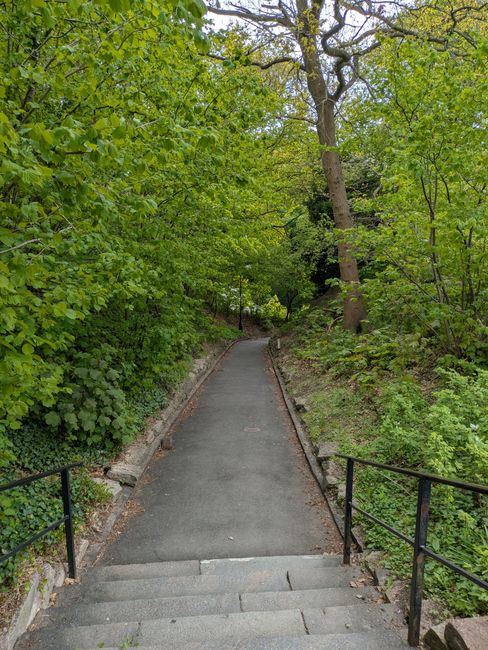
What to know about steep access for Gipsy Hill gardeners
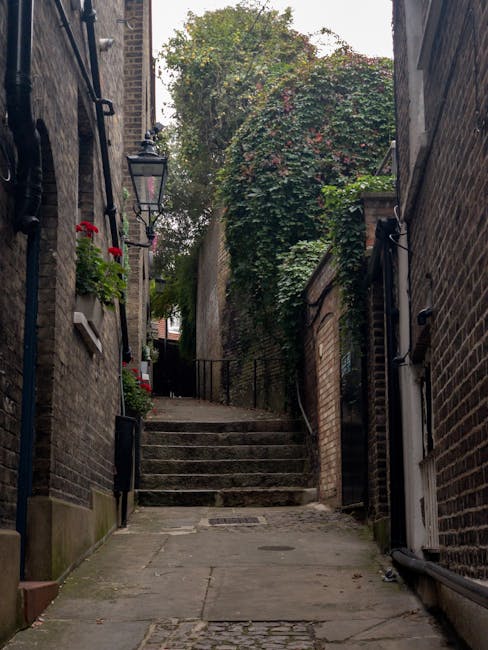
If you have ever tried to move a bag of compost, a mower, or a wheelbarrow up a sloping path and thought, this is awkward in a very specific way, you already understand the heart of the issue. What to know about steep access for Gipsy Hill gardeners is not just about "getting in and out"; it affects safety, plant choice, design, timings, and how much work a garden will really demand once the first tidy-up is done.
Gipsy Hill gardens can be beautiful, but they are often shaped by levels, side returns, steps, narrow runs, and awkward rear access. That means a good result depends on planning as much as planting. In this guide, we'll look at the practical realities, the common traps, and the smarter ways to work with a steep garden instead of fighting it. A few small choices make a surprisingly big difference.
Why steep access matters in Gipsy Hill gardens
Steep access changes almost everything about how a garden is maintained. A slope that seems mildly inconvenient on a dry morning can become a proper headache after rain, frost, or a long day of pruning. On a practical level, it affects how gardeners move materials, where they store tools, how they carry waste, and whether routine jobs can be done efficiently or end up becoming two-person tasks.
In a place like Gipsy Hill, where many homes have compact plots and layered ground levels, access can be just as important as soil quality. If the approach to the garden is steep, the best planting plan in the world may still be a poor fit unless the route into the space is thought through properly. That's why steep access is not a side issue. It shapes the whole experience of the garden.
It also matters for safety. Slippery steps, loose gravel, mossy paving, and overhanging foliage can make a simple visit to the back garden feel clumsy. Truth be told, many problems start small: one slippery tread, one awkward turn, one heavy bag carried at the wrong angle. That is enough to make a seasonal tidy-up feel far harder than it should.
If you are already thinking about broader maintenance, it helps to look at the garden as a working system. Our garden maintenance approach is often most effective when access, layout, and routine care are considered together rather than separately.
How steep access affects day-to-day gardening
Steep access affects the garden in two directions: how you get in, and how the garden itself behaves. Water runs downhill. Soil can creep. Mulch shifts. Footing changes with weather. Even a neat path can become a maintenance point if drainage, edging, or surface choice are ignored.
From the gardener's side, steep access makes every task a bit more deliberate. Moving a hedge trimmer, a watering can, or a stack of pots requires more balance and more planning. If you are using a wheelbarrow, the route needs enough width, grip, and turning room. If you are carrying materials by hand, the load usually has to be broken into smaller trips. Not glamorous, but very real.
There is also the question of workflow. On a steep site, it is usually better to stage work in zones. Take waste out in manageable batches. Bring tools down first, then materials, then plants. If you do it in the wrong order, you end up backtracking constantly, and the garden day starts to feel longer than it actually is. We have all been there.
For gardens where the slope is shaping the whole design, vertical planting or terraced structure can help. The idea behind successful vertical gardens is useful here because it shows how to use height intelligently instead of treating it as a problem only.
Key benefits and practical advantages
Handled well, steep access is not just a limitation. It can be an opportunity to make the garden feel more structured, more private, and frankly more interesting. Slopes naturally create levels, viewpoints, and planting pockets that flatter certain styles of garden.
- Better drainage: A sloping site often sheds excess water more quickly, which can help in wetter periods if the beds and paths are planned properly.
- Clearer zoning: Different levels can separate seating, planting, play, and storage without needing heavy barriers.
- More privacy: Raised or tiered spaces can help screen views from neighbouring properties.
- Reduced soil compaction in the right places: Once access routes are defined, the rest of the garden can be protected from constant trampling.
- More flexible design: Steps, sleepers, retaining edges, and terraces can turn a difficult layout into something surprisingly elegant.
There is a flip side, of course. The benefits appear only when the access route is realistic. A steep rear garden with no stable footing is not a place for guesswork. It needs proper surfaces, sensible gradients, and a maintenance plan that matches the actual conditions on site.
If wind is also part of the picture, which it often is on higher or more open plots, pairing access planning with shelter planning helps. The ideas in strategic garden design and setup for wind can be a useful companion to slope planning.
Who this is for and when it makes sense
Steep access matters for a wide range of people, not just those tackling a dramatic hillside plot. It is relevant if your garden has a long stepped route, a steep side passage, an awkward incline from the house, or an access point that becomes slippery after rain. It is also relevant if you regularly handle bulky items such as compost, fencing materials, or bags of bark.
This topic is especially important for:
- homeowners with mature gardens and uneven levels
- landlords wanting safer routine maintenance between tenancies
- families who need clear, low-risk movement through the garden
- older residents or anyone who finds slopes more tiring to navigate
- busy people who want maintenance done efficiently rather than in stop-start bursts
It also makes sense if you are planning a redesign. Once access is improved, the rest of the garden becomes easier to maintain, easier to enjoy, and less likely to fall into that all-too-familiar cycle of "I'll sort it next month." In fairness, that month can become half a year very quickly.
For some gardens, a practical route to easier maintenance might involve structural changes. For others, it is more about layout and planting choices. If you are comparing options, browsing wider gardening services can help you understand what level of help you may need.
Step-by-step guidance
If you are working with steep access for the first time, start with the route, not the plants. That sounds obvious, but it is the bit people often skip.
- Map the route. Walk the access path in both directions. Note where you hesitate, turn sideways, or feel unsteady. Those moments are the clues.
- Check footing. Look for slippery paving, loose gravel, uneven slabs, and hidden edges. A slope is one thing; a slope with poor grip is another entirely.
- Measure the practical width. Could a wheelbarrow, mower, or watering trolley actually pass through without scraping? If not, the route may need simplifying.
- Identify storage points. Tools, soil, and materials should ideally be staged as close as possible to the work area to reduce repetitive lifting.
- Plan drainage and runoff. Water needs somewhere to go. If it washes across paths or steps, the access route will deteriorate faster.
- Decide where to reduce load. Smaller pots, lighter bags, or split deliveries can save your back and reduce accidents. Not a bad trade-off.
- Improve the surface. Grip matters. So does edging. A slightly better tread can make the whole route feel calmer and safer.
- Review after weather changes. A route that works in summer may feel completely different in winter or after heavy rain.
Once the route feels workable, then you can think about planting. The best steep-garden projects usually blend access improvement with smart plant selection. A lovely border that is impossible to reach properly is not much of a win, however pretty it looks in June.
Expert tips for better results
In our experience, the best steep-access solutions are rarely the flashiest. They are the ones that make everyday work easier without drawing attention to themselves.
First, keep the path simple. Every unnecessary turn adds risk. If a route can be straightened, widened, or broken into more stable segments, that is usually worth exploring.
Second, think in layers. On steep ground, low maintenance planting often works better than heavy, thirsty schemes. Ground covers, well-chosen shrubs, and structural evergreens can reduce the need for constant foot traffic. If you want ideas for spreading plant cover without exposing soil, the guide on UK garden ground covers is a useful starting point.
Third, keep waste management realistic. Prunings, clippings, and rubble are heavier than they look. Plan disposal in small loads. Your shoulders will thank you later, and yes, your knees probably will too.
Fourth, choose tasks by season. Heavy work is easier when the ground is dry and the air is light. Winter access can be tricky, especially on shaded or moss-prone slopes. If you are preparing for colder months, winter protection for garden plants is worth reading alongside your access plan.
Fifth, do not underestimate the value of routine trimming. Overgrowth narrows routes fast. Even a tidy path can feel cramped if hedges, climbers, or shrubs start leaning into it. That is one reason hedge trimming in Gipsy Hill can be more about access and safety than appearance alone.
Expert summary: Steep access is easiest to manage when the route is kept simple, surfaces stay grippy, planting is chosen for restraint rather than drama, and maintenance is scheduled before the slope starts causing problems.
Common mistakes to avoid
The biggest mistake is assuming steep access is only a logistics issue. It is not. It affects safety, design, and maintenance rhythm all at once. That is why a fix that looks neat on paper can still fail in real life.
- Ignoring weather impact: A dry slope and a wet slope do not behave the same. Never treat them as if they do.
- Using unstable surfaces: Decorative materials without grip can be a poor choice on regular access routes.
- Overloading yourself or a trolley: A heavy load on an incline can turn awkward very quickly.
- Forgetting about visibility: Poor lighting, shaded steps, or overgrown edges increase risk.
- Designing for looks only: A beautiful access path that cannot actually be used efficiently will frustrate you every time you work in the garden.
- Skipping maintenance of the access route itself: Paths, handholds, edges, and drains need just as much care as the flower beds.
One more subtle mistake: assuming all steep-access issues need a major build. Sometimes the answer is smaller. A handrail, a clearer route, a better landing, or less clutter can change the whole feel of the garden. Small fixes. Big relief.
Tools, resources and recommendations
The right tools can make a steep garden feel far more manageable. You do not need every gadget under the sun. You need practical gear that reduces strain and improves control.
- Sturdy gloves with grip: Helpful when carrying pots, tools, or loose materials on an incline.
- Wheelbarrow or garden trolley: Best used where the route is stable and wide enough. On narrow or uneven slopes, a smaller load may be safer.
- Bypass secateurs and light pruning tools: Better than dragging larger equipment around for small jobs.
- Long-handled tools: Useful if you want to work from a safer stance without constantly bending or stepping onto awkward sections.
- Non-slip footwear: Probably the most underrated item in the whole mix.
- Waste bags or containers that can be split into manageable loads: A little boring, but very effective.
If you are setting up or refreshing a slope-based garden, it is also worth thinking about design and maintenance as a package. For inspiration on self-contained planting, container gardening can be surprisingly useful where access is limited. Containers let you control weight, reposition plants, and avoid overworking the steepest parts of the garden.
For broader support, the company's pricing and quotes page can help set expectations before any work starts, especially if access conditions are likely to influence the scope. And if safety, insurance, or working methods are on your mind, it is sensible to review the relevant health and safety policy and insurance and safety information as part of due diligence.
Law, compliance, standards and best practice
Steep access in a private garden does not usually trigger dramatic legal questions, but it does bring real responsibilities. The main concerns are safe working practices, avoiding preventable injury, and making sure any work is carried out with care. If a route is unsafe, a sensible professional will treat it that way.
For homeowners, the practical best practice is simple: keep access routes reasonably safe, avoid blocking them with stored materials, and maintain surfaces so they do not become hazardous. For anyone carrying out gardening work, it is wise to follow normal UK expectations around risk awareness, manual handling, and site-specific caution. That might sound formal, but in everyday terms it just means: think before you lift, check the ground before you step, and do not treat a slope casually.
If you are arranging work with a contractor, it is reasonable to ask how they plan to move materials, what happens in wet conditions, and whether access will affect timing or equipment choice. The more awkward the site, the more useful those questions become. It is not being difficult. It is being sensible.
If there are children, older adults, or pets using the garden, extra care is wise. For family-friendly layouts, the articles on creating a secure play area and a child-friendly yard may help you balance access with everyday use.
Options and method comparison
There is no single right fix for steep access. The best method depends on budget, slope severity, garden size, and how often the area is used. Here is a simple comparison to help you think it through.
| Method | Best for | Pros | Trade-offs |
|---|---|---|---|
| Improved path surfacing | Moderate slopes with regular foot traffic | Better grip, clearer movement, easier daily access | May need ongoing cleaning and occasional repair |
| Steps or tiered levels | Steeper gardens with distinct zones | Creates structure, easier movement between levels | Needs careful design and safe edges |
| Terracing | Severe gradients and planting-heavy gardens | Reduces erosion, improves planting control | Usually more expensive and more disruptive to install |
| Container-based planting | Restricted or difficult-access spaces | Flexible, lighter to manage, easy to reposition | Can need more watering and feeding |
| Light-touch maintenance plan | Any garden where major changes are not practical | Low cost, easy to start, realistic for many homes | Does not solve structural access issues |
In many Gipsy Hill gardens, the answer is a blend: a safer path, a trimmed route, some containers, and a maintenance rhythm that keeps things under control. Honestly, that combination often works better than a grand redesign that never quite gets finished.
Case study or real-world example
Picture a small rear garden reached by a narrow side passage that rises gently for the first stretch and then gets noticeably steeper near the back. The owner wants to keep herbs, a small seating area, and a decent amount of privacy, but maintenance keeps slipping because carrying everything up and down feels clumsy.
The first thing to change is the access route itself. The passage is cleared of stored items, the worst slippery patches are cleaned, and a few awkward edge plants are cut back so shoulders are not brushing leaves on both sides. That alone makes the route feel calmer. Not glamorous, but effective.
Next comes the planting plan. Instead of filling the steepest areas with thirsty, high-maintenance plants, the design shifts toward lower, tougher layers and a few containers that can be moved if needed. Herbs are placed where they are easy to reach. The seating area stays on the most stable level. Waste is collected in smaller loads rather than one heroic trip that ends in regret.
The result is a garden that still has character, still feels layered, and is much easier to keep tidy through the year. The garden did not become flat. It became manageable. That is a more realistic win, to be fair, and a much more satisfying one for day-to-day life.
Practical checklist
Use this checklist before starting or refreshing work on a steep-access garden.
- Walk the access route in dry and damp conditions.
- Identify slippery, narrow, or uneven sections.
- Check whether tools and waste can move safely along the route.
- Remove clutter that blocks movement.
- Trim overgrowth that narrows the path.
- Look at drainage and where water runs after rain.
- Confirm where materials can be staged without creating hazards.
- Choose planting that suits the slope and maintenance level.
- Use smaller loads rather than overfilling bags or barrows.
- Review the route after seasonal weather changes.
- Make sure any frequent-use area has enough grip and visibility.
- Ask for help if the route feels unsafe, steep, or unstable.
Quick reminder: if access feels awkward now, it will usually feel worse once the garden becomes busier in spring. Sorting it early saves time, strain, and a lot of muttering under your breath.
Conclusion
What to know about steep access for Gipsy Hill gardeners comes down to one simple idea: the route into the garden matters just as much as the garden itself. If access is safe, clear, and realistic, the whole space becomes easier to maintain and far more enjoyable to use. If it is ignored, even a lovely garden can start to feel like hard work before the day has properly begun.
The good news is that steep access is usually manageable with practical thinking. Better surfaces, smarter planting, lighter loads, and a route kept free of clutter can transform how the space functions. Sometimes the best improvement is the least flashy one. That's gardening for you.
Get a free quote today and see how much you can save.
If you are weighing up the next step, it may help to learn more about the team at about us and then decide which approach fits your garden, your routine, and your comfort level. A steep site does not have to be a difficult site. With the right planning, it can become one of the most rewarding parts of your home.
Frequently Asked Questions
What is steep access in a garden?
Steep access means the route into or through a garden has a noticeable incline, steps, or level changes that make movement, maintenance, or carrying materials more difficult than on flat ground.
Why does steep access matter so much for garden maintenance?
Because it affects safety, efficiency, and the amount of physical effort needed for routine tasks. A steep route can slow down work, increase strain, and make wet-weather maintenance trickier.
How can I make a steep garden easier to use?
Start by clearing clutter, improving grip on paths, trimming overgrowth, and breaking up heavy tasks into smaller loads. In some gardens, containers or terracing can also make a big difference.
Do steep gardens always need major landscaping work?
No. Some only need better surfaces, simpler access routes, and a more practical planting plan. Structural changes help in some cases, but not every slope needs a large build.
What plants work best on a steep access garden?
Usually plants that are lower maintenance, erosion-conscious, and suited to the light and moisture levels of the site. Ground covers, tough shrubs, and contained planting often work well.
Is a wheelbarrow safe to use on a slope?
Sometimes, yes, but only if the route is wide, stable, and has good grip. On narrow or uneven slopes, it may be safer to carry smaller loads or use lighter tools.
How often should steep access routes be checked?
Regularly. It is sensible to check after wet weather, frost, storms, or periods of heavy growth. Slopes can change character fast when conditions turn.
What are the most common problems with steep garden access?
The usual issues are slippery surfaces, narrow paths, poor drainage, overgrown edges, awkward turns, and heavy loads being carried or pushed uphill.
Can steep access affect the cost of gardening work?
Yes, it can. Difficult access may increase the time needed, influence which tools are used, or require extra care in moving materials. That is why it helps to discuss access early when requesting a quote.
Should I ask about insurance and safety before booking garden work?
Absolutely. Any work on a steep site should be approached carefully, so it is sensible to check how safety is handled, how risks are managed, and whether the team is equipped for the conditions.
What is the best first step if my garden feels unsafe to access?
Walk the route slowly and note the problem areas, especially where footing feels uncertain. If it still feels awkward or unsafe after a basic tidy-up, it is worth getting professional advice before tackling heavier jobs.
How do I know whether to improve access or redesign the garden?
If the issue is mainly movement and grip, access improvements may be enough. If the slope is shaping drainage, planting, and layout all at once, a broader redesign may be the better long-term choice.